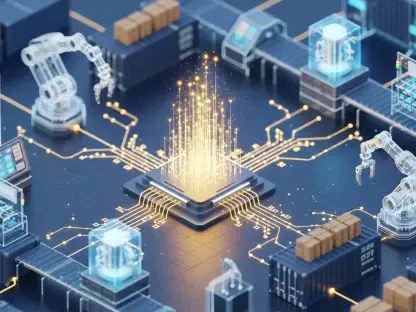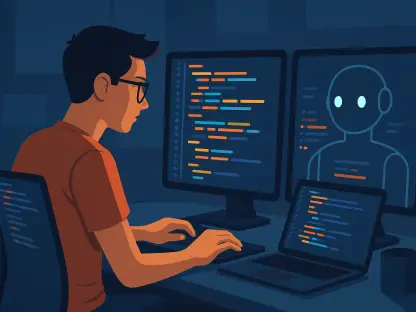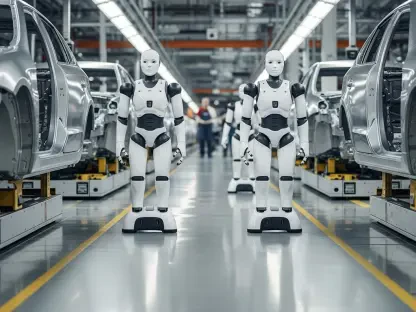

In today’s rapidly evolving technological landscape, software enterprises are at a pivotal point where the integration of Machine Learning (ML) and Artificial Intelligence (AI) is no longer a novelty but a strategic necessity to stay competitive and innovative. These advanced technologies are

In the dynamic realm of technology, the integration of artificial intelligence (AI) with software engineering is paving the way for the emergence of cognitive computing. This innovative approach aims to mimic human thought processes and behavior, fundamentally transforming how digital systems

The world of programming is constantly evolving, with new trends emerging and old ones fading away. Staying updated with these trends is crucial for developers who want to remain relevant and efficient in their work. This article explores the hottest and coldest trends in programming today,

The field of artificial intelligence has made significant strides in recent years, particularly in the realm of mathematical reasoning. Researchers from HKUST (GZ), HKUST, NTU, and Squirrel AI have proposed a comprehensive analytical framework to scrutinize the capabilities and limitations of
The rapid advancement of artificial intelligence has brought about significant changes in various fields, including software development. One of the most intriguing and complex issues arising from this technological evolution is the ownership and copyright of AI-generated code. As AI tools like
DeepSeek AI has taken a substantial leap forward in artificial intelligence with the release of their enhanced AI model, DeepSeek-V2.5-1210, which marks a significant improvement in various tasks such as mathematics, coding, writing, and reasoning. While previous versions showed considerable