
The digital signage industry has long navigated a challenging divide between low-cost, feature-limited consumer devices and powerful, yet prohibitively expensive, professional-grade media players. This gap often forced small businesses, schools, and even larger enterprises to compromise, choosing either affordability with operational headaches or robust functionality with a hefty price tag. Amazon has now thrown a significant stone into this pond with the introduction of a comprehensive Remote Management API for its Signage Stick. This strategic enhancement is not merely an update; it represents a calculated move to democratize high-level device management, aiming to equip an affordable hardware solution with the sophisticated remote control and monitoring capabilities previously reserved for the market’s top tier. The launch positions the Signage Stick as a formidable contender, promising to deliver scalable, reliable, and cost-effective signage networks to a much broader audience.
A Direct Response to Industry Needs
The development of this new API was not conceived in a vacuum; it emerged as a direct and deliberate answer to consistent feedback from the digital signage community. Across the board, end-users and Content Management System (CMS) partners alike voiced a critical need for greater remote visibility and control over their deployed hardware fleets. Yanning Li, Head of Amazon Device Solutions, and Ed Jimenez, Product Marketing, both emphasized that these customer demands were the primary catalyst for the project. This responsiveness has resulted in what many industry partners are already heralding as a transformative development. The API empowers CMS providers to integrate a sophisticated suite of device management tools directly into their existing software platforms. This creates a unified and seamless user experience where content scheduling and hardware administration coexist within a single dashboard, a level of integration that was previously unheard of on such an accessible hardware platform, fundamentally altering the value proposition for the entire ecosystem.
The strategic advantage conferred upon CMS partners by the Remote Management API cannot be overstated. It allows them to significantly elevate their product offerings by moving beyond their core competency of content management to provide a truly holistic, all-in-one solution. This integration of powerful device management and monitoring capabilities makes their platforms more valuable and “sticky,” reducing customer churn and increasing their competitive edge. Testimonials from leading partners such as Carousel Digital Signage, Neon, and Yodeck have confirmed this impact, with leaders from these companies highlighting their newfound ability to deliver more sophisticated features and streamline operations for their clients. By embedding these tools within their existing applications, they can now offer a superior customer experience, leveraging the affordability of Amazon’s hardware to challenge the dominance of more expensive, complex enterprise systems. This move effectively enables partners to build more comprehensive and compelling solutions that address the full lifecycle of digital signage management.
Unlocking Advanced Remote Capabilities
At the heart of this announcement lies a robust API designed to maximize network uptime and minimize operational costs through powerful remote intervention tools. Network operators are now equipped to perform critical maintenance tasks from anywhere, eliminating the need for costly and time-consuming on-site service calls for common issues. For instance, a sluggish or unresponsive Signage Stick can be restarted with a single command to resolve performance glitches, while more serious problems can be addressed by executing a full factory reset remotely. Beyond device health, the API provides granular control over the connected displays themselves. Operators can turn screens on and off on demand or, more importantly, establish automated schedules for hours of operation. This feature directly impacts the bottom line by conserving power during off-hours and extending the operational lifespan of the display panels, contributing to a significantly lower total cost of ownership over the life of the network.
The API extends beyond simple control functions to provide a wealth of real-time diagnostic data, enabling a shift from reactive troubleshooting to proactive network maintenance. Operators gain access to a continuous stream of key system health metrics, including CPU utilization, internal device temperature, available RAM, and remaining storage space. This deep visibility allows them to identify potential performance bottlenecks before they escalate into critical failures; for example, an operator can be alerted to a device with low storage that could soon lead to content playback issues. The system also monitors network status, reporting on Wi-Fi signal strength to diagnose connectivity problems remotely. A crucial feature for advertisers and content managers is the ability to capture on-screen content in real time, providing irrefutable “proof of play” that confirms the correct content is being delivered to the intended displays at the scheduled times. This is complemented by the exposure of essential device identifiers like DSN, MAC address, and IP address directly within the CMS, simplifying device tracking and accelerating troubleshooting.
Redefining the Market Standard
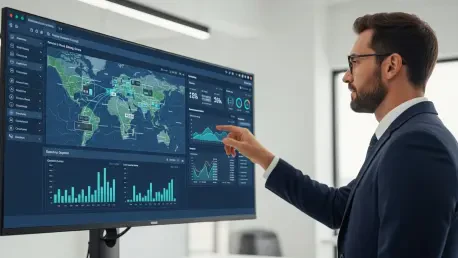
For the organizations deploying digital signage—from retail chains and corporate offices to K-12 schools and universities—the tangible benefits of this API are centered on operational efficiency and financial savings. The power to centrally manage and troubleshoot an entire fleet of displays from a single dashboard dramatically reduces device downtime, ensuring that critical information and advertising are consistently displayed. This centralized approach significantly lowers support and maintenance costs by averting the need to dispatch technicians for issues that can now be resolved with a few clicks. The API effectively transforms the management of a signage network from a manual, reactive process fraught with potential delays into a proactive, automated, and highly efficient operation. This not only improves the end-viewer experience by ensuring screen reliability but also frees up internal resources to focus on content strategy rather than hardware maintenance.
The launch of the Remote Management API solidified the Amazon Signage Stick’s unique and disruptive position within the digital signage market. It successfully bridged the long-standing divide by delivering the advanced remote management features typically associated with high-cost, enterprise-grade media players on an affordable and widely accessible device. This new software capability, combined with hardware specifications specifically built for the rigors of digital signage—including 4K UHD support, a powerful 850 MHz GPU, and a substantial 12 GB of internal storage for reliable offline playback—created a compelling and complete solution. This pivotal development transformed the Signage Stick from a simple media player into a fully manageable network endpoint. In doing so, it empowered CMS partners, reduced the total cost of ownership for end-users, and cemented the product’s role as a force that made professional-grade, scalable digital signage networks more attainable than ever before.