
Audacity 4 introduces a dedicated split tool and enhanced marker management to streamline the process of navigating long-form recordings like lectures and podcasts. This landmark release represents a significant modernization of a tool that has dominated the free audio landscape for over 25 years. Since Muse Group acquired the project, industry experts and hobbyists alike have watched closely to see how the software would evolve under corporate stewardship. This latest iteration successfully addresses decades of user feedback, bridging the gap between a simple wave editor and a professional-grade digital audio workstation. While maintaining its core identity as a free, cross-platform solution, the update introduces a level of sophistication previously unseen in the open-source world. By balancing power with accessibility, the development team has managed to revitalize the application for a new generation of creators while respecting the foundational principles that made it a household name globally.
A Fresh Visual Identity and Functional Workspace
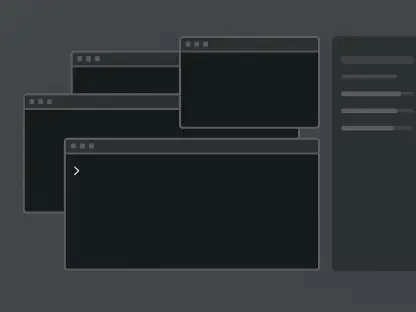
The most striking change in this release is the complete redesign of the user interface, which finally moves away from the aesthetic that many critics labeled as dated or utilitarian. Built on the modern Qt framework, the new layout prioritizes a clean and fast workflow by relocating essential tools to more intuitive positions on the screen. For instance, the master meter has been moved to a vertical orientation, allowing for better visibility during high-stakes recording sessions where clipping must be monitored constantly. This structural shift ensures that both beginners and power users can navigate complex multi-track projects without the visual clutter that characterized earlier versions of the software. The interface now feels cohesive and responsive, reflecting contemporary design standards while ensuring that the primary focus remains on the audio waveform itself. This transition to Qt also allows for better high-DPI support, making the app look sharp on 4K monitors.
For long-time users who have developed muscle memory over decades, the developers have thoughtfully included a classic mode to preserve the legacy toolbar layout. However, the update goes far beyond surface-level aesthetics by introducing a suite of organizational features like customizable themes and clip coloring. These additions are not merely cosmetic; they are essential for managing large-scale productions where distinguishing between various vocal takes, background tracks, and sound effects at a glance is crucial. Editors can now assign specific colors to different segments of audio, making the timeline much easier to read during intense editing marathons. Furthermore, the inclusion of accent colors allows users to tailor the workspace to their specific lighting environments, whether they are working in a bright office or a dark studio. These thoughtful refinements demonstrate a deep understanding of the diverse environments where the software is deployed, from academic labs to home studios.
Professional Editing Tools and Workflow Enhancements
This version introduces several long-awaited quality-of-life features that bring its editing behavior in line with modern industry standards used by professional engineers. The implementation of non-destructive clip handling is perhaps the most significant change, allowing users to move, trim, and stretch audio on the timeline without permanently altering the original source files. In previous versions, many operations were destructive, meaning that once a change was made, it was difficult to revert after saving the project. Now, the introduction of gain envelopes and specialized split tools provides granular control over audio dynamics directly on the timeline. This eliminates the need for the clunky workarounds that were previously required to perform simple tasks like fading or ducking. These tools are designed to be intuitive, allowing for real-time adjustments that give the editor immediate feedback on how the changes affect the overall mix and the sonic quality of the track.
Further streamlining the production process are the new trim and stretch handles, which offer immediate visual feedback directly on the waveform as the user interacts with the clip. The software now includes enhanced marker management and per-track metering, features that are indispensable for creators working on long-form content. For example, a podcaster can now mark specific points of interest with greater precision and monitor the input levels of individual participants more effectively. These improvements ensure that the software remains a viable tool for professional audio engineering, offering a level of precision that was previously reserved for expensive proprietary applications. By reducing the number of clicks required to perform common tasks, the update significantly boosts productivity for those working on tight deadlines. The focus on workflow efficiency suggests that the developers are listening to the needs of modern content creators who require speed without sacrificing the quality of the final output.
Strategic Integration and Open-Source Integrity
Under the leadership of Muse Group, the software has been integrated into a broader connected ecosystem through the inclusion of MuseHub, a centralized marketplace for plugins. This move initially sparked debate within the open-source community regarding the potential for commercial creep in a traditionally free project. However, the software remains strictly under the GPLv3 license, ensuring that the core code remains accessible and free for everyone to study and modify. Users who prefer a no-frills experience can opt out of these cloud-based features entirely, maintaining the utility of the application for those who require a private, offline editing environment. This dual approach allows the project to benefit from corporate resources while respecting the philosophy of the open-source movement. The marketplace provides a convenient way for users to discover high-quality effects and samples, but it never feels like a mandatory component of the basic editing experience.
Addressing persistent privacy concerns, the developers have ensured that all telemetry and data reporting are entirely optional and anonymized by default. This balance of corporate-backed innovation and community-focused privacy demonstrates a continued commitment to the roots of the software. By allowing a simple, bundle-style installation, the application remains an accessible and trusted resource for educational settings and workshops worldwide. Teachers can deploy the software across entire computer labs with the confidence that student data is protected and that the software will function reliably without constant internet connectivity. This focus on privacy and stability is critical for maintaining the trust of a global user base that relies on the software for sensitive tasks. The development team has gone to great lengths to document their data policies, providing transparency that is often lacking in the tech industry today. This transparency helps to solidify the program’s reputation as a secure and ethical choice.
Technical Performance and Industry Compatibility
The transition to a Qt-based architecture has significantly improved the overall responsiveness of the application, making it feel remarkably snappy even when handling high-resolution files. Users will notice that operations like zooming, scrolling, and rendering are much smoother than in previous iterations, which often struggled with larger projects. Crucially, the software maintains full backward compatibility with older project files, ensuring a seamless transition for creators with ongoing work. This means that a project started years ago can be opened and edited with the new tools without any data loss or corruption. Additionally, the update reinforces support for professional plugin formats like VST3, LV2, and AU, which are essential for modern audio production. The built-in effects interfaces have also been completely redesigned to provide a more consistent and user-friendly experience, making it easier to dial in the perfect sound regardless of which specific effect is being used.
Looking back at the transition, the community moved toward a more modular approach to audio production that prioritized flexibility over monolithic software suites. Users often chose to implement specific tools for specific tasks, integrating the official release into a larger pipeline that included various plugins and external hardware. This shift encouraged developers to focus on interoperability, ensuring that projects could be easily exported to other formats for final mastering or distribution. For those looking to optimize their current setup, it was recommended to audit existing plugin libraries for VST3 compatibility and to utilize the new non-destructive workflow to preserve raw capture data. Future considerations for the platform likely involved deeper integration with artificial intelligence for tasks like automated transcription and advanced source separation, which were already becoming standard. By providing a solid foundation, the developers ensured that the software remained a cornerstone of creativity.