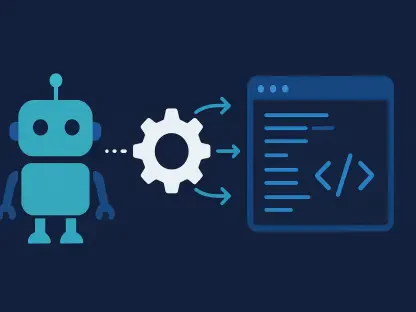

BearQ acts as an agentic system capable of navigating complex software development lifecycles while maintaining a consistent level of reliability and performance across fragmented systems. The software industry is currently navigating a period of rapid acceleration, where artificial intelligence tools are significantly increasing the speed of code production. However, this velocity creates a bottleneck in the quality assurance process that traditional methods cannot resolve. The challenge for modern engineering teams is no longer limited to the automation of individual test scripts; rather, it involves a complex requirement to continuously understand which parts of an application require testing, which areas are already sufficiently covered, and how to coordinate these efforts across increasingly fragmented systems. SmartBear’s latest update positions BearQ as a strategic solution to this coordination crisis, moving the focus from the execution of tests to the intelligence behind quality management.
Orchestrating Intelligence and Action
The Role of Sources: Unifying Quality Context
To achieve a comprehensive 360-degree view of software quality, the newly introduced Sources feature serves as a sophisticated intelligence layer designed to aggregate data from diverse origins across the development ecosystem. Rather than operating in a vacuum or relying solely on the application code, the system now integrates directly with project management platforms like Atlassian Jira to gain a deep understanding of business requirements and user stories. By ingesting this metadata, BearQ can determine what a piece of software is intended to do, rather than just what the current code executes. This shift allows for the creation of a dynamic quality context that stays aligned with stakeholders’ goals even as those goals shift during rapid development cycles. Consequently, the system can prioritize validation efforts based on the actual business impact of specific features, ensuring that the most critical components receive the most rigorous attention while less vital areas are monitored proportionally.
Streamlining Operations: Automated Workflows
The Workflows feature acts as the critical action layer that enables coordinated, autonomous quality sequences. This capability allows development and QA teams to orchestrate complex activities, such as environment preparation, the execution of targeted regression tests, and the subsequent updating of connected management systems, all within a single automated pipeline. These sequences can be triggered by specific events, predefined schedules, or external continuous integration and continuous deployment pipelines, ensuring that quality checks are integrated directly into the heartbeat of the development lifecycle. When a developer pushes a new code change, the system automatically identifies which tests are relevant, spins up infrastructure, and executes validation without manual intervention. By automating the mundane aspects of test coordination and environmental setup, engineers are freed to focus on high-value tasks like exploratory testing and architectural design, leading to significantly better results.
Bridging the Gap Between AI and Human Oversight
Progressive Autonomy: Building Trust through Control
A primary hurdle in the widespread adoption of agentic quality assurance systems remains the trust barrier felt by software experts regarding autonomous decisions made by artificial intelligence. To mitigate these concerns, a progressive autonomy model has been implemented, rejecting an all-or-nothing approach in favor of a more nuanced, incremental transition. This framework allows teams to establish specific guardrails where human operators can review and approve the actions taken by BearQ before they are finalized or deployed. By providing these manual checkpoints, the system ensures that human expertise remains at the center of the quality process, even as the heavy lifting is handled by autonomous agents. This strategy effectively balances the need for speed with the requirement for reliability, allowing organizations to maintain full control over their production environments. As the system demonstrates consistent performance and accuracy, teams can choose to relax these guardrails over time.
Achieving Application Integrity: Future-Proofing Quality
Stakeholders recognized that moving toward autonomous quality was the most effective way to leverage the speed of artificial intelligence while upholding the high standards of performance essential for modern software. To implement these strategies, organizations prioritized the integration of their project management and testing tools to ensure a seamless flow of data. Engineers established clear guardrails and review processes to build trust in agentic systems, allowing for a phased transition to higher levels of autonomy. They also invested in defining precise business requirements within their tracking systems, as this provided the necessary context for BearQ to operate effectively. By focusing on process-wide orchestration rather than just individual test execution, teams achieved a more resilient delivery pipeline that adapted to changes in real time. Ultimately, these actions provided a blueprint for maintaining software reliability, ensuring that application integrity remained a core component of the lifecycle.