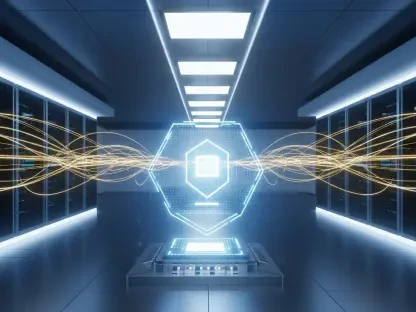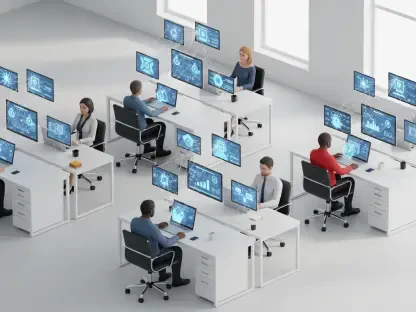

The global landscape of digital asset production is undergoing a radical transformation as traditional, hardware-intensive mining gives way to more inclusive and environmentally conscious cloud-based solutions. For years, the barrier to entry for cryptocurrency mining remained prohibitively high, requiring significant capital for specialized ASICs, deep technical knowledge for rig maintenance, and access to low-cost industrial electricity. This centralized power in the hands of a few large-scale operations, effectively sidelining the retail participant. However, recent advancements in remote computing and decentralized infrastructure are finally shifting the needle toward a more democratic model. Companies like WPAHash are at the forefront of this evolution, leveraging sophisticated cloud systems to allow individuals to participate in the network without owning a single piece of physical hardware. By virtualizing the mining process, the industry is moving toward a future where participation is dictated by strategy rather than by the size of one’s basement or warehouse.
Mobile Integration: Lowering Technical Barriers for Global Access
The launch of a dedicated mobile application for both iOS and Android platforms marks a pivotal moment in the transition toward decentralized cloud computing. By placing the controls of a high-performance data center into the palm of a user’s hand, the platform eliminates the need for complex command-line interfaces or 24-hour hardware monitoring. This mobile-first approach ensures that individuals from various geographic locations can manage their computing power allocations in real-time, regardless of their local infrastructure limitations. This is particularly significant in regions where high-speed internet and stable power grids are available, but the procurement of expensive mining hardware remains difficult due to supply chain constraints or import duties. The application interface provides a transparent view of active hash rates and daily output, effectively turning what was once a complex industrial process into a streamlined digital experience that is as intuitive as managing a modern banking application or a stock portfolio.
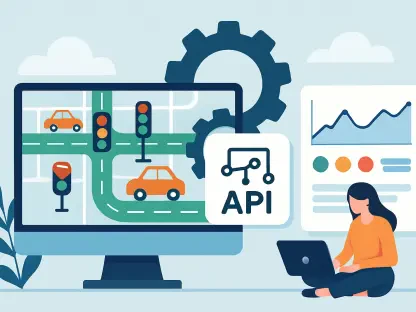
Beyond mere convenience, the integration of AI-driven scheduling technology within this mobile framework optimizes how power is distributed across the global network. This system analyzes real-time network difficulty and power costs, ensuring that the remote rigs are operating at peak efficiency during every 24-hour cycle. By automating the technical nuances of mining, the platform allows users to focus on their financial goals rather than the granular details of thermal management or firmware updates. This shift toward “mining-as-a-service” reflects a broader trend in the tech industry where complex backend operations are abstracted away to provide a seamless user experience. As more participants join the network through these accessible gateways, the underlying blockchain becomes more decentralized and resilient. The democratization of this technology ensures that the rewards of the digital economy are not restricted to those with engineering degrees, but are available to anyone with a smartphone and a basic understanding of market dynamics.
Strategic Investment: Tiered Contracts and Financial Inclusivity
A core component of making digital asset participation more inclusive is the implementation of a multi-tier contract system that caters to a wide spectrum of financial capacities. Many traditional mining ventures require thousands of dollars in upfront costs, which often deters casual enthusiasts or those looking to test the waters. By offering structured options such as “Trial Contracts” with a minimal $100 entry point for a two-day period, the platform provides a low-risk environment for newcomers to understand the mechanics of cloud-based yields. This granular approach allows for better risk management and financial planning, as users can gradually scale their participation based on their personal comfort levels and market performance. On the other end of the spectrum, “Advanced Computing Power Contracts” exceeding $15,000 cater to more experienced participants, providing a comprehensive suite of options that ensures no segment of the market is ignored or underserved by the current technological landscape.
Financial transparency is further enhanced by a fixed revenue model where earnings are calculated every 24 hours and settled upon the maturity of the contract. This predictability is a significant departure from the volatile returns often seen in solo mining operations, where hardware failure or sudden spikes in network difficulty can result in months of losses. To further incentivize a community-driven growth model, the platform has integrated referral programs and registration bonuses, such as a $15 credit for new accounts. These mechanisms do more than just attract users; they create a self-sustaining ecosystem where growth is fueled by a network of informed participants. This strategy moves away from the traditional “winner-take-all” mentality of industrial mining and toward a collaborative environment. By providing clear entry points and a structured path for growth, the initiative effectively bridges the gap between the retail investor and the sophisticated world of industrial-scale digital asset production and network validation.
Environmental Responsibility: The Transition to Green Mining
Addressing the environmental impact of blockchain technology has become a non-negotiable requirement for any platform seeking long-term viability in the current regulatory climate. WPAHash has responded to this challenge by committing to power its global data centers with renewable energy sources, aligning its operational model with international sustainability standards. This focus on “green mining” mitigates the carbon footprint typically associated with large-scale computing operations and appeals to a growing demographic of eco-conscious investors. By centralizing hardware in optimized, renewably powered facilities, the platform achieves a level of energy efficiency that is impossible for individual home miners to replicate. This move toward sustainability is not merely a corporate social responsibility initiative; it is a strategic response to the increasing social and legislative scrutiny regarding the energy consumption of decentralized networks. The use of wind, solar, and hydroelectric power ensures that the growth of the digital economy does not come at an unacceptable cost.
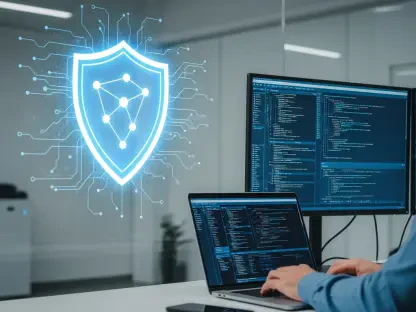
The conclusion of this initiative demonstrated a clear path forward for the integration of security and efficiency within the cloud mining sector. By implementing enterprise-grade network protection and multi-layered data encryption, the platform ensured that the transition to a mobile-centric management style did not introduce new vulnerabilities for its users. This holistic approach combined technological innovation with a steadfast commitment to environmental ethics and user safety. The shift toward a managed, eco-friendly ecosystem allowed participants to navigate the complexities of the modern digital economy with greater confidence and lower overhead. As the industry moved toward a more mature phase, the focus on strategic participation over hardware ownership became the new standard for accessibility. The historical reliance on local rig deployment was replaced by a more sophisticated model that favored collective efficiency and sustainable growth. Ultimately, the successful deployment of these systems provided a scalable blueprint for how digital assets were produced and managed in a more equitable and responsible global marketplace.