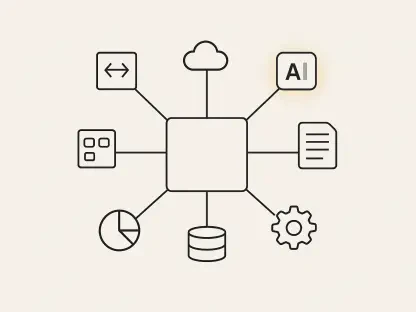

In today’s fast-paced digital landscape, businesses face an ever-growing challenge to stand out and keep pace with customer expectations, all while managing internal operations efficiently. A website often serves as the first point of contact for potential clients, yet many companies struggle with platforms that fail to support their unique needs. Generic, template-based solutions may seem like a quick fix, but they frequently fall short when it comes to handling complex workflows or scaling with growth. This gap between digital presence and operational reality can cost sales and hinder expansion. Enter custom web development—a tailored approach that aligns a website with the specific processes of a business. By integrating operational logic into the digital framework, companies can transform their online presence into a powerful engine for revenue and adaptability. This approach not only addresses immediate pain points but also sets the stage for long-term success in a competitive market.
1. Understanding the Power of a Business-First Website
A business-first website goes far beyond being a mere digital storefront; it acts as a critical operational tool that underpins how a company sells, delivers, and grows. Unlike off-the-shelf platforms that prioritize speed and low cost, these tailored solutions are designed to mirror the intricacies of real-world workflows. For many businesses, relying on generic templates creates a disconnect between what the site offers and how the company actually functions. This misalignment often frustrates customers with clunky experiences and burdens staff with unnecessary manual tasks. However, when a website is built to reflect the natural flow of operations, it streamlines both user journeys and internal processes. The result? Higher conversion rates as customers navigate intuitive paths, and reduced scaling costs as teams handle growth without constant workarounds. It’s a shift in mindset—treating the website not as a standalone marketing piece but as an integral part of the revenue-driving machine.
This concept of integration is transformative. A business-first website ensures that every feature, from lead capture to order fulfillment, supports the company’s unique structure. Imagine a sales team receiving pre-qualified leads directly from the site, or a fulfillment system automatically syncing with inventory updates. Such alignment eliminates bottlenecks that often plague generic setups. Moreover, it builds trust with users who sense a seamless, professional experience. When customers and employees both benefit from a cohesive digital environment, the foundation for growth becomes stronger. This strategic focus sets custom development apart, offering a way to turn a website into a competitive advantage rather than a persistent challenge.
2. Why Operations Must Guide Website Design
Business operations define how information flows and decisions are made within a company, so it stands to reason that a website should echo this structure rather than impose rigid, generic layouts. When the architecture of a site is shaped by internal processes, friction diminishes for everyone involved—users enjoy smoother interactions, and staff face fewer disruptions. Consider a company with a multi-step quoting process: a custom site can incorporate dynamic data inputs and automated handoffs to sales teams. Similarly, a service business with high appointment volumes benefits from scheduling tools that account for capacity and location. Even e-commerce operations thrive when inventory systems match real warehouse logic instead of oversimplified models. Tailoring the site to these realities creates a digital environment that feels like a natural extension of the business.
However, when a website fails to reflect operational needs, problems pile up quickly. Data gets scattered across disconnected tools, forcing teams into tedious manual work. Customer journeys grind to a halt because the site can’t support their intended actions, leading to lost sales. Industry research underscores this, revealing that 75% of users judge a company’s credibility based on website design—a clear link between digital performance and trust. A business-first approach counters these issues by using operations as the blueprint for everything from features to integrations. The outcome is a coherent experience for customers and a more efficient setup for teams, ensuring the site becomes a reliable driver of both immediate revenue and sustained scalability.
3. Uncovering the Pitfalls of Generic Platforms
At first glance, template-driven platforms seem like a dream solution with their preset designs, basic plugins, and rapid deployment. For small or nascent businesses, this convenience can be appealing. Yet, as a company grows and demands more complex workflows or higher transaction volumes, the cracks in these systems become glaring. Built for the average user, such platforms often lack the flexibility to handle custom logic or specific data needs. Restrictions on storage, integration options, and automation force teams to cobble together workarounds that eventually turn into long-term technical debt. This isn’t just inefficient—it’s a silent drain on resources that could be better spent elsewhere. The initial savings start to look like a mirage when these limitations stall progress.
Beyond functionality, performance takes a hit with generic setups. Bloated scripts and unused features slow down load times, driving users away and increasing abandonment rates. Speed isn’t a luxury; it’s a direct factor in engagement and revenue. Add to that the security risks of shared components—where a single plugin vulnerability can compromise thousands of sites—and the picture darkens further. For companies handling sensitive data or bound by strict compliance rules, these platforms often fall short. Over time, the hidden costs of lost conversions, manual processes, and integration struggles far outweigh any upfront benefits. A digital presence that can’t scale with the business becomes a liability, not an asset, underscoring the need for a more tailored approach.
4. Tackling Operational Hurdles with Custom Development
Custom web development steps in as a game-changer by crafting a site that mirrors the natural rhythms of a business, rather than forcing operations into preset molds. Every element—be it a feature, interface, or backend process—is designed with a specific purpose tied to how the company functions. This means full control over data structures, allowing databases to reflect exactly what teams track, from dynamic product configurations to intricate approval processes. It also enables seamless integration with existing tools through direct API communication, keeping sales, support, and finance systems in sync without manual intervention. The precision of this approach turns a website into a finely tuned operational asset, ready to adapt to new services or higher traffic.
Another powerful advantage lies in automation. Custom builds can streamline tasks like quoting, scheduling, or inventory updates, cutting down on time-consuming manual work and reducing human error. This not only boosts internal efficiency but also speeds up customer interactions, directly lifting conversion rates. Industry data backs this up, showing a 67% increase in sales and marketing effectiveness when workflows are tightly integrated. Additionally, personalized user interfaces and guided journeys become possible, enhancing the experience in ways generic platforms can’t match. With the right architecture, the site supports evolving business models without needing a complete overhaul, ensuring it remains a strategic tool for growth rather than a recurring obstacle.
5. Driving Sales with Operationally Aligned User Experience
User experience (UX) reaches new heights when it’s built around the actual decision points that define a business’s sales process. Visitors don’t just browse—they follow a path that should align with how leads are qualified and deals are closed. When UX reflects these internal steps, interactions feel intuitive and effortless. For instance, companies with complex pricing structures can offer guided calculators that deliver accurate estimates based on real data rules. Service providers benefit from multi-step forms that gather precise information upfront, slashing back-and-forth communication. These tools don’t just simplify tasks for users; they create clarity and trust, nudging customers closer to a purchase with minimal friction.
Moreover, interactive elements like recommendation engines or custom selectors play a vital role in shortening sales cycles. By sending pre-qualified data to sales teams, such features cut down on manual filtering and reduce lead-handling time. The website effectively acts as a silent assistant, boosting team efficiency and trimming operational costs. Data from these interactions also offers a goldmine of insights—where users drop off, what they prioritize, or what information seals their decision. Industry evidence highlights the impact, noting that personalized experiences can improve customer acquisition by 80%. When UX is rooted in operational logic, sales climb because both customers and staff navigate a smoother, more connected journey, turning the site into a direct extension of business goals.
6. Ensuring Scalability for Long-Term Growth
A business-first website prioritizes scalability from the outset, anticipating growth rather than scrambling to patch together solutions after the fact. This forward-thinking design prevents the technical barriers that often surface as transaction volumes or operational demands spike. Scalable architecture relies on modular structures, where each component serves a distinct function and can evolve independently. Adding new service categories, advanced user portals, or expanded payment options becomes straightforward without disrupting the core system. An API-first approach further enhances this flexibility, enabling seamless integration with new tools or platforms while keeping data consistent across an expanding ecosystem. It’s about building for tomorrow’s needs today.
Performance remains a cornerstone of scalability as well. Efficient database queries, strategic caching, and optimized front-end delivery ensure the site maintains speed even under heavy load. Users expect instant responses regardless of traffic, and slowdowns during peak periods can erode trust and revenue. Scalability also means supporting new business models—whether shifting from single to multi-location operations or rolling out subscription offerings. A custom build with flexible logic minimizes the need for extensive redevelopment during such transitions. By creating a digital foundation that adapts to increased volume and evolving demands, businesses can focus on expansion with confidence, knowing their website won’t become a bottleneck.
7. Planning a Business-First Website Step by Step
Embarking on a business-first website begins with a thorough discovery phase to map out every operational step, from lead generation to final delivery. This process uncovers friction points that a tailored site can address, such as inefficiencies in data collection or repetitive tasks ripe for automation. By dissecting workflows, companies gain clarity on what the site must achieve to support both customer needs and internal goals. It’s a foundational step that ensures the digital solution isn’t built on assumptions but on the real-world mechanics of the business. Identifying these specifics early sets the tone for a system that truly aligns with operational reality, paving the way for smoother implementation.
Next, a technical review is essential to evaluate current tools, integrations, and limitations. This assessment pinpoints where the existing digital environment restricts growth and defines the architecture required for scalability. Decisions about which systems to retain or replace emerge from this analysis, ensuring compatibility with long-term goals. Following this, a UX strategy translates operational processes into user flows that guide visitors efficiently. Interface elements like forms and dashboards must support business outcomes, aligning customer and internal journeys. A phased development roadmap then breaks the project into manageable stages, starting with core features before expanding based on insights and needs. Finally, selecting a technology stack that supports modular builds and secure performance ensures the site can evolve without hitting technical walls.
8. Reflecting on the Impact of Custom Solutions
Looking back, the journey of integrating custom web development revealed how prioritizing operational reality over mere aesthetics reshaped business efficiency. Customers navigated clearer paths, unhindered by the clunky interfaces of generic platforms, while data flowed seamlessly across systems. Sales teams benefited from higher-quality leads, delivered directly through tailored digital processes, and operations grew more predictable. Growth, once a daunting challenge, became a manageable endeavor as the website adapted to new demands without faltering. This wasn’t just about a better site—it was about creating a digital backbone that supported every facet of the business.
Many companies discovered too late that template platforms couldn’t keep pace with their ambitions, as limitations in workflow support and data control created persistent friction. Custom development dismantled those barriers, aligning the website with existing logic to enhance performance for both users and staff. Through automation and personalization, it elevated the customer experience while laying a scalable foundation for future expansion. As an investment in structural efficiency, this approach proved transformative. A business-first website didn’t merely represent the brand; it fueled the operational engine that drove revenue and sustained long-term growth, offering a model for others to build upon as they navigate their own digital evolution.