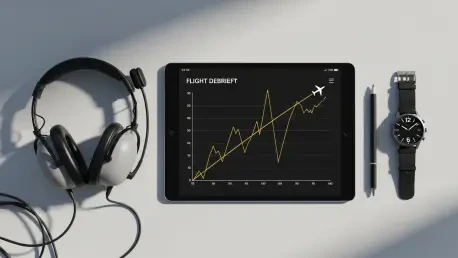

The transition from subjective memory-based flight debriefs to high-fidelity digitized analysis marks one of the most significant shifts in aeronautical instruction since the invention of the flight simulator. For decades, the process of evaluating a pilot’s performance relied heavily on the instructor’s ability to recall specific moments during a flight, often leading to gaps in feedback or inconsistent grading. Navi AI has emerged as a disruptive force in this landscape, leveraging $6.7 million in recent funding to deploy a specialized generative artificial intelligence platform designed for both commercial and military training environments. By integrating complex data streams into a cohesive, automated narrative, the company is effectively digitizing the cockpit experience to ensure that every maneuver is documented with mathematical precision. This move toward a data-driven ecosystem aims to eliminate the labor-intensive nature of manual reporting while simultaneously elevating the safety standards that govern the global aviation sector.
The Evolution of Flight Data Analysis
Automating the Debriefing Process: A New Standard
Every modern aircraft is a repository of untapped information, and Navi AI is unlocking this potential by converting each airframe into a sophisticated, continuous data source. The platform works by seamlessly merging diverse inputs, including aircraft telemetry, cockpit voice recordings, local weather patterns, and real-time air traffic movements into a single analytical framework. Historically, this level of deep-dive synthesis was a reactive measure, typically reserved for major incident investigations because it required days of expert manual labor to reconstruct a flight’s timeline. Navi AI disrupts this traditional model by automating the entire process, allowing for the generation of a detailed, moment-by-moment debrief immediately following a landing. By using a proprietary large language model, the system interprets complex variables instantly, providing pilots and flight schools with a level of transparency that was previously restricted to high-budget forensic teams.
The speed at which these automated debriefs are generated allows for an immediate feedback loop that is essential for effective adult learning and skill retention. Instead of waiting hours or even days for a written report, students can review their performance while the sensory experience of the flight is still fresh in their minds. This efficiency is particularly valuable in high-tempo training environments where instructors must handle multiple students per day. By removing the administrative burden of manual data entry and synthesis, the platform enables flight instructors to spend more time on high-level mentorship rather than clerical documentation. Furthermore, the precision of the AI-generated reports ensures that no subtle deviation in altitude or airspeed goes unnoticed, creating a comprehensive digital record that can be referenced throughout a pilot’s entire career. This shift essentially turns every training sortie into a high-value data asset for the institution.
Context-Aware Performance Tracking: Bridging the Data Gap
The technology developed by Navi AI goes beyond the simple recording of telemetry by actively analyzing pilot intent and behavioral patterns in direct relation to specific training objectives. It is one thing to know that a plane banked at thirty degrees, but it is another to understand if that bank was the intended response to a specific maneuver in a flight syllabus. The platform’s generative AI is designed to be context-aware, meaning it understands the specific goals of each flight lesson, whether it involves basic stalls or complex instrument approaches. By aligning raw data with the curriculum, the AI can provide a highly specialized critique that highlights exactly where a student deviated from standard operating procedures. This bridge between flight data and educational goals allows for a technical performance analysis that was once considered impossible to achieve within the constraints of a daily training environment.
By focusing on the “why” behind the data, the system helps identify underlying habits that could eventually lead to safety risks if left uncorrected. For example, if a trainee consistently applies rudder pressure too late during a crosswind landing, the AI can detect this pattern across multiple flights and flag it as a specific area for improvement. This granular level of tracking ensures that instruction is tailored to the individual’s needs rather than a one-size-fits-all approach. The ability to monitor technical performance with such accuracy also provides a layer of accountability for the flight school, as every grading decision is backed by objective telemetry. Ultimately, this context-aware tracking transforms raw numbers into actionable insights, ensuring that every hour spent in the air contributes directly to the mastery of the required flight maneuvers and the overall proficiency of the future pilot.
Optimizing the Educational Experience
Empowering Trainees and Instructors: Digital Mentorship
Navi AI functions as a sophisticated digital assistant that augments human instruction by offering personalized, data-backed feedback that is strictly grounded in FAA regulations. Trainees are no longer limited to the notes taken by their instructors during the flight; they can now interact with a context-aware AI to ask nuanced questions about their performance or seek clarification on specific regulatory requirements. For instance, a student can ask the AI to show them exactly where their approach path deviated from the standard procedure and receive a visual tutorial linked directly to their flight data. This interactive element creates a personalized learning loop that encourages students to take ownership of their progress. By having access to a tool that provides citations from official manuals alongside their own flight logs, pilots can correct misunderstandings before they become ingrained as dangerous habits.
For flight instructors, the platform serves as an objective witness that captures every correction and flight deviation with absolute consistency. In traditional settings, the quality of a debrief can vary based on an instructor’s fatigue level or subjective perception of a student’s skill. Navi AI eliminates this variability by providing a structured, data-driven report that serves as the foundation for the post-flight discussion. This allows the instructor to focus on the psychological and decision-making aspects of flying, knowing that the technical details are already accurately documented. The platform also helps maintain a high standard of grading across large flight schools, ensuring that different instructors are holding students to the same objective benchmarks. By providing this level of support, the technology enhances the professional relationship between the teacher and the student, fostering a culture of excellence.
Proactive Safety and Institutional Oversight: Fleet-Wide Intelligence
At the institutional level, the Navi AI platform aggregates data from every flight across an entire fleet to provide administrators with unprecedented visibility into program-wide trends. This creates a “living network of insights” that allows flight academies to move beyond monitoring individual students to observing the health of the entire training program. Administrators can quickly identify if a particular maneuver is causing widespread difficulty or if certain safety protocols are being frequently ignored across the board. This macro-level view is essential for maintaining high safety standards, as it allows for the early detection of emerging patterns that might indicate a systemic issue in the curriculum or maintenance. By having real-time access to this information, flight schools can make data-driven adjustments to their training programs, ensuring that they are always operating at peak efficiency.
The shift from a reactive to a proactive safety culture is perhaps the most significant benefit of this fleet-wide oversight capability. In the past, many safety improvements were only made after an incident or a near-miss highlighted a flaw in training or equipment. With the insights provided by Navi AI, institutions can address these flaws before they lead to an accident. For example, if the data shows an increasing trend of unstable approaches during night training, the school can proactively implement additional ground school sessions or simulator drills to mitigate the risk. This level of oversight also provides valuable documentation for insurance and regulatory audits, proving that the institution is actively managing its safety profile. By treating every flight as a learning opportunity for the entire organization, flight academies can foster an environment where safety is continuously improved through data.
Strategic Implementation and Industry Outlook
Military and Academic Partnerships: Elite Integration
The rapid adoption of Navi AI by elite aviation institutions like Purdue University and the University of North Dakota underscores the industry’s readiness for AI-driven transformation. These universities are at the forefront of pilot production, and their integration of this technology signals a shift toward a more rigorous, evidence-based approach to collegiate flight training. Furthermore, the company has successfully expanded into the defense sector with a strategic grant from the U.S. Department of Defense. This funding is specifically directed toward adapting the AI platform for the Air Force Test Pilot School at Edwards Air Force Base. By applying these advanced debriefing tools to the T-38 Talon fleet, the military intends to enhance the training of its most elite aviators, where the margin for error is non-existent and the complexity of flight operations is at its highest.
The implementation of Navi AI in a supersonic military environment demonstrates the platform’s scalability and robustness. Training test pilots involves some of the most demanding flight profiles in the world, requiring extreme precision and the ability to process vast amounts of technical information quickly. The AI’s ability to provide a moment-by-moment breakdown of these high-stakes missions gives the Air Force a critical edge in developing next-generation pilots. This military partnership also serves as a proving ground for features that may eventually trickle down to general aviation and commercial training. As the platform proves its worth in the cockpit of a T-38, its credibility within the broader industry continues to grow, attracting more institutions that are eager to modernize their training infrastructure. These partnerships represent the first wave of a broader movement toward total digitization in pilot development.
Investment and the Future of Aviation: A Data-Driven Path
The significant investment from United Airlines Ventures and other major groups highlights a growing consensus among commercial carriers that AI is the key to streamlining the pilot pipeline. As the demand for highly skilled pilots continues to rise, airlines are looking for ways to ensure that new hires are trained to the highest possible standards in the most efficient manner. Navi AI’s ability to provide a continuous, data-backed feedback loop is seen as a vital tool for reducing the time it takes to reach proficiency while actually increasing the depth of the pilot’s knowledge. The industry is moving toward a future where a pilot’s training record is a comprehensive digital dossier, filled with objective performance data rather than just a log of hours flown. This transition promised to make the transition from flight school to a commercial cockpit smoother and more predictable for both the pilot and the airline.
The integration of generative AI into pilot training represented a fundamental shift in how the aviation industry approached safety and education. Stakeholders across the commercial and military sectors recognized that traditional debriefing methods were no longer sufficient for the complexities of modern flight. To capitalize on these advancements, flight academies moved to standardize digital debriefing protocols, ensuring that every student had access to objective performance metrics. This proactive stance allowed organizations to identify systemic training gaps before they resulted in safety incidents, effectively creating a more resilient pilot workforce. Moving forward, the industry prioritized the adoption of context-aware AI tools to maintain a competitive edge in training efficiency. This commitment to technological innovation ensured that the next generation of aviators was better prepared for the challenges of the skies, ultimately leading to a more secure and efficient global aviation network.