
Industrial facilities today face an unprecedented convergence of shrinking specialized workforces and an explosion of sensor data that threatens to overwhelm even the most seasoned control room operators. Emerson is redefining the industrial landscape by integrating advanced artificial intelligence and deep-level customization into its Guardian™ Digital Platform. Announced as a pivotal step toward the concept of Boundless Automation, this evolution directly addresses the burgeoning complexities of modern industrial plants that must operate with leaner, more digitally focused teams than in previous decades. By unifying diverse software solutions and providing intelligent guidance, the organization aims to bridge the gap between legacy infrastructure and next-generation enterprise operations. The transformation centers on democratizing technical expertise, ensuring that critical knowledge is accessible to all levels of the workforce. Through the integration of natural language processing and personalized data management, the platform serves as a digital bridge that helps facilities maintain high levels of operational continuity while navigating the challenges of a rapidly changing technological environment.
Revolutionizing Support with the Guardian Virtual Advisor
Intelligent Troubleshooting and Generative AI
The most significant advancement within the updated platform is the expansion of the Guardian Virtual Advisor, which utilizes sophisticated generative AI to transform the nature of user support. Unlike traditional static interfaces or basic search functions, this tool interacts with users through natural language processing across Emerson’s flagship systems, including AMS, Ovation™, and DeltaV™. The AI is trained on an exhaustive library of proprietary documentation and historical technical data, allowing it to provide precise, step-by-step troubleshooting and self-service guidance. This capability significantly reduces the time spent searching through physical manual archives or digital PDF repositories, which often slows down urgent maintenance tasks. By delivering relevant technical insights in a conversational format, the platform ensures that engineers can identify the root cause of a system anomaly without needing to consult a specialist for every minor deviation.
This AI-driven integration creates a more responsive environment where the software understands the context of a specific plant’s configuration rather than just providing generic answers. When a technician encounters a specific fault code in a DeltaV controller, the Virtual Advisor can instantly cross-reference that code with the specific hardware version and software patch level currently in use at that site. This level of granular, automated intelligence effectively acts as an always-on consultant that resides within the control system ecosystem. Furthermore, the generative nature of the AI allows it to synthesize complex instructions into manageable checklists, which minimizes the cognitive burden on personnel during high-pressure situations. As these plants move toward more autonomous operations from 2026 to 2030, the ability of the Guardian platform to offer such high-fidelity technical support will become a cornerstone of maintaining high availability across critical infrastructure and diverse manufacturing sectors.
Upskilling the Modern Workforce
This AI-driven support is specifically designed to mitigate the persistent industry-wide skills gap and facilitate smoother workforce succession as long-term employees transition out of the industry. As experienced personnel retire, they often take decades of undocumented “tribal knowledge” with them, leaving a void that traditional training methods struggle to fill quickly enough. The Guardian Digital Platform acts as a comprehensive digital repository that captures and institutionalizes this specialized knowledge, making it readily available for the next generation of workers. By providing digital-native employees with intuitive, AI-enhanced tools, the platform enables them to upskill at an accelerated pace. These younger workers, who are often more comfortable with software interfaces than manual hardware manipulation, can manage complex legacy systems with the confidence of a veteran engineer, thanks to the constant guidance provided by the AI advisor.
Beyond simply replacing lost knowledge, the platform empowers the existing workforce by automating the most repetitive aspects of data retrieval and system monitoring. This shift allows maintenance teams to focus on higher-level optimization tasks that require human judgment and creativity, rather than getting bogged down in routine data entry or basic technical lookups. The integration of AI also serves as a pedagogical tool; as workers interact with the Virtual Advisor to solve problems, they are simultaneously learning the underlying logic of the systems they manage. This continuous on-the-job training is vital for maintaining a competitive edge in a global market where technological cycles are shortening. By lowering the barrier to entry for managing sophisticated automation hardware, the organization ensures that its clients can maintain a steady pipeline of competent talent capable of overseeing the most advanced industrial processes.
Enhancing Operational Efficiency through Personalization
Streamlined User Experience and Unified Dashboards
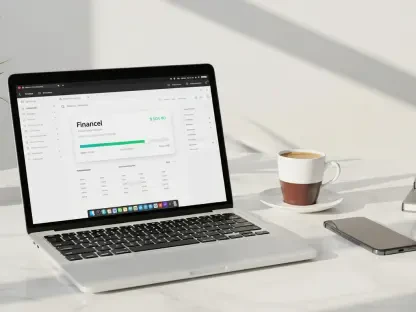
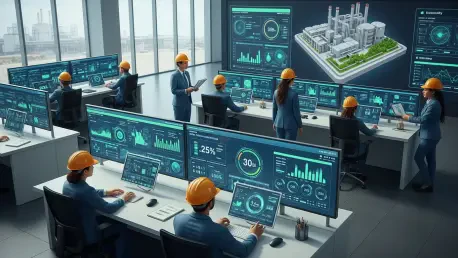
To combat the growing issue of information overload, the platform has introduced a highly customizable, widget-based dashboard that allows users to curate their own specific operational views. Different stakeholders, ranging from frontline plant operators to high-level executive leaders, can now focus exclusively on role-specific metrics, ensuring that the most relevant data is immediately accessible upon login. This shift toward a personalized user experience mirrors the intuitive usability of modern consumer-grade applications, making industrial software feel much more approachable and efficient for daily use. By eliminating the need to navigate through multiple layers of menus to find critical Key Performance Indicators, the platform streamlines the decision-making process. Each user can arrange their workspace to prioritize the health of specific assets, environmental compliance data, or energy consumption figures depending on their immediate responsibilities.
This focus on personalization extends to how data is visualized and prioritized, which is essential for reducing the mental fatigue associated with monitoring modern industrial processes. When a dashboard is cluttered with irrelevant information, the risk of missing a critical alert increases significantly; however, the new Guardian interface uses intelligent filtering to highlight only what is necessary for the task at hand. For instance, a reliability engineer might see a detailed breakdown of vibration analysis across rotating equipment, while a plant manager sees a high-level summary of production throughput and downtime costs. This unified approach brings together data from previously siloed applications, such as AMS for asset health and Ovation for power plant control, into a single cohesive narrative. This synchronization ensures that everyone in the organization is working from the same “source of truth,” which is a fundamental requirement for achieving the goals of enterprise-wide digital transformation.
Lifecycle Intelligence and Proactive Maintenance
The platform revitalizes knowledge management by offering enhanced search capabilities and contextual access to real-time system health data. This allows maintenance teams to identify potential issues proactively, often identifying a failing component or a software vulnerability before it leads to an expensive period of unplanned downtime. The integration of modernized Knowledge Base Article modules ensures that when a problem is detected, the technician is immediately presented with the most current resolution strategies and security patches. By moving away from reactive “break-fix” cycles, industrial facilities can significantly extend the lifespan of their physical assets and improve overall equipment effectiveness. This proactive stance is further supported by the platform’s ability to track the lifecycle of every component, providing alerts when parts are nearing their end-of-life or when a newer, more efficient version becomes available.
In addition to technical monitoring, the platform integrates new call support workflows and real-time inquiry tracking to create a seamless feedback loop between plant personnel and Emerson’s own specialists. When a complex issue arises that exceeds the capabilities of the on-site AI, the user can initiate a support request that includes all the relevant system context and diagnostic data automatically. This transparency allows for an end-to-end resolution process where the user can monitor the status of their inquiry in real-time, much like tracking a modern logistics shipment. Such a high level of integration between the customer’s site and the original equipment manufacturer’s expertise ensures that operational reliability and security remain at the forefront of the industrial lifecycle. Ultimately, this approach transforms the support relationship from a transactional service into a collaborative partnership focused on long-term operational excellence and continuous improvement.
Strategic Implementation of Intelligent Automation
The transition to an AI-enhanced digital platform represented a fundamental shift in how industrial organizations approached their daily maintenance and long-term planning. By adopting the Guardian Digital Platform, facilities successfully moved toward a model where data served as a predictive asset rather than a historical record. Decision-makers were encouraged to begin by auditing their current data silos and identifying where the Virtual Advisor could provide the most immediate relief to their maintenance backlogs. This strategic alignment allowed for the gradual phasing out of manual knowledge-sharing processes in favor of a centralized, AI-driven repository that remained current with every software update and hardware revision. The implementation of these tools provided a clear path for plants to maintain their competitive edge while dealing with the realities of a leaner workforce and increasingly complex regulatory requirements.
Furthermore, the integration of personalized dashboards and proactive health monitoring served as a catalyst for a more agile operational culture. Teams that utilized these tools reported a significant reduction in the “time to resolution” for technical faults, as the AI-driven guidance eliminated the guesswork often associated with complex system failures. To maximize the benefits of this technology, organizations prioritized the training of their staff on how to interact effectively with generative AI interfaces, ensuring that the human-machine collaboration reached its full potential. This forward-looking approach not only secured the immediate reliability of the plant but also established a scalable foundation for future technological adoptions. Ultimately, the successful deployment of such intelligent systems proved that the future of industrial automation depended on the seamless fusion of human expertise and artificial intelligence, ensuring resilient and secure operations for the years to come.