
A landmark agreement signed on October 22, 2026, positions the Itaipú Hydroelectric Dam at the center of a new initiative to build a massive AI compute facility powered by renewable energy. This strategic partnership between the American infrastructure pioneer Crusoe and the Paraguayan energy developer Araico signifies a fundamental shift in how high-performance computing assets are deployed globally. By prioritizing proximity to clean power sources, the collaboration addresses the escalating energy demands of generative artificial intelligence while mitigating the environmental concerns associated with traditional data center expansion. The project, which represents Crusoe’s first foray into the Latin American market, utilizes an “energy-first” philosophy to ensure that computational growth does not come at the cost of ecological stability. This venture is not merely an infrastructure play but a deliberate effort to integrate Paraguay into the global digital supply chain, leveraging the nation’s unique position as a renewable energy powerhouse. As the demand for AI workloads continues to surge, this initiative provides a blueprint for sustainable industrialization.
Harnessing Renewable Energy for Global Computing Needs
Infrastructure Development: From Modularity to Massive Scale
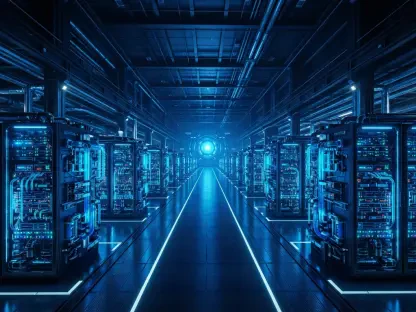
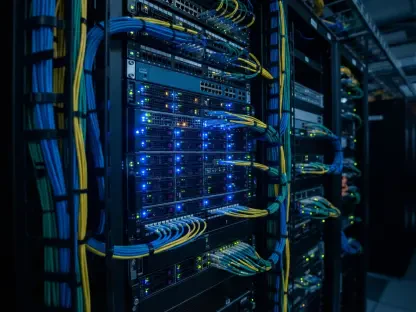
The technical roadmap for the facility adjacent to the Itaipú substation emphasizes both rapid deployment and long-term scalability to meet the diverse needs of the modern AI ecosystem. Scheduled for its initial phase in mid-2027, the site will begin as a modular compute unit before expanding into a permanent, large-scale structure. Current projections indicate that the facility will reach an IT capacity of 106 megawatts, with additional expansion options that could eventually push the total power usage to approximately 280 megawatts. By locating the data center directly at the source of one of the world’s most productive hydroelectric dams, the partnership ensures a steady, 100% renewable power supply that remains unaffected by the typical volatility of power grids. This localized approach minimizes transmission losses and provides the cooling requirements essential for modern GPUs. Such a massive concentration of sustainable compute power establishes a new standard for how AI factories should be integrated into infrastructure.
Regional Impact: Serving Latin American Digital Demand
Beyond its physical infrastructure, the facility is designed to address the unique requirements of the burgeoning AI market within the Southern Hemisphere. While the primary operations will support Crusoe’s existing cloud clientele in North America and Europe, a significant portion of the capacity is dedicated to the Crusoe Cloud platform’s expansion into Latin America. This regional availability is crucial for local tech startups and established enterprises that require low-latency access to advanced high-performance computing for training large language models and running complex simulations. By providing localized AI resources, the initiative reduces the reliance on distant data centers located in the Northern Hemisphere, thereby lowering costs and improving data sovereignty for South American businesses. The presence of such a facility encourages the development of a regional AI ecosystem, where developers can build and deploy applications tailored to the specific linguistic and cultural contexts of Latin American users.
Socio-Economic Transformation and Global Strategy
National Development and Economic Diversification
For the government of Paraguay, this project represents a definitive move toward economic modernization and a pivot away from the nation’s traditional role as a primary energy exporter. President Santiago Peña has highlighted this development as a cornerstone of a broader national strategy to transform the country into a high-tech industrial hub. By utilizing its hydroelectric surplus domestically, Paraguay can capture significantly more value from its natural resources than it could through simple electricity sales to neighboring countries. The establishment of this AI factory is expected to catalyze substantial local employment, creating opportunities for specialized engineers, technicians, and digital infrastructure managers. Furthermore, the influx of technical expertise and advanced technology is likely to foster a culture of innovation, encouraging domestic universities and research institutions to align their curricula with the needs of the emerging digital economy. This shift not only diversifies the national GDP but also provides a resilient economic foundation.
Strategic Integration and Future Sustainability
The establishment of this AI hub provided a definitive blueprint for how developing nations harnessed renewable resources to secure a prominent role in the digital age. Stakeholders emphasized that the next phase of development necessitated a focus on technical education and the expansion of fiber-optic connectivity to ensure the benefits of the data center extended across the local economy. It was recommended that policymakers and private entities collaborated to build specialized innovation zones around the Itaipú facility, attracting secondary industries such as software development. By investing in human capital, the nation ensured that its workforce remained competitive in a market increasingly dominated by automated systems. This transition from exporting raw electricity to producing high-value digital services offered a sustainable path for other resource-rich countries. Future considerations included the integration of edge computing nodes to further decrease latency and the potential for the facility to serve as a testing ground for next-generation cooling.